
Introduction
In today’s rapidly shifting world, future technology isn’t just a buzzword; rather, it represents a powerful wave of change that’s already beginning to touch every sector. Moreover, as businesses and individuals alike adapt, they must understand these transformations early. Consequently, this article will examine how emerging technology—driven by technological innovation, cutting-edge tech, and newer paradigms—will impact industries, daily life, and our collective future. Furthermore, you’ll gain practical insight into how to embrace these changes responsibly and effectively.
Understanding Future Technology
First and foremost, let’s define what we mean by future technology. Essentially, it refers to the next generation of tools and systems—encompassing artificial intelligence (AI), the internet of things (IoT), blockchain, augmented reality (AR), and quantum computing—that will underpin tomorrow’s breakthroughs. In addition, these advancements in technology often build on established systems, yet deliver radically improved performance, scalability, and flexibility.
Importantly, understanding future technology involves more than simply identifying new gadgets. Instead, it requires grasping the broader trends in emerging tech, such as automation, connectivity, and decentralization. In this context, technological innovation becomes the driver that enables organizations and individuals to evolve. Moreover, by staying alert to tech trends, we can anticipate which solutions may matter most in the coming years.
Key Future Technology Trends to Watch
Artificial Intelligence and Machine Learning
One of the most prominent elements of future technology is artificial intelligence. By using sophisticated algorithms and vast data sets, AI systems can now perform tasks that previously required human intelligence—recognition, decision-making, language processing, and more. Furthermore, when combined with machine learning, these systems become self-improving over time. As a result, businesses are deploying AI to automate workflows, enhance customer experiences, and generate entirely new value streams.
Internet of Things and Hyper-Connectivity
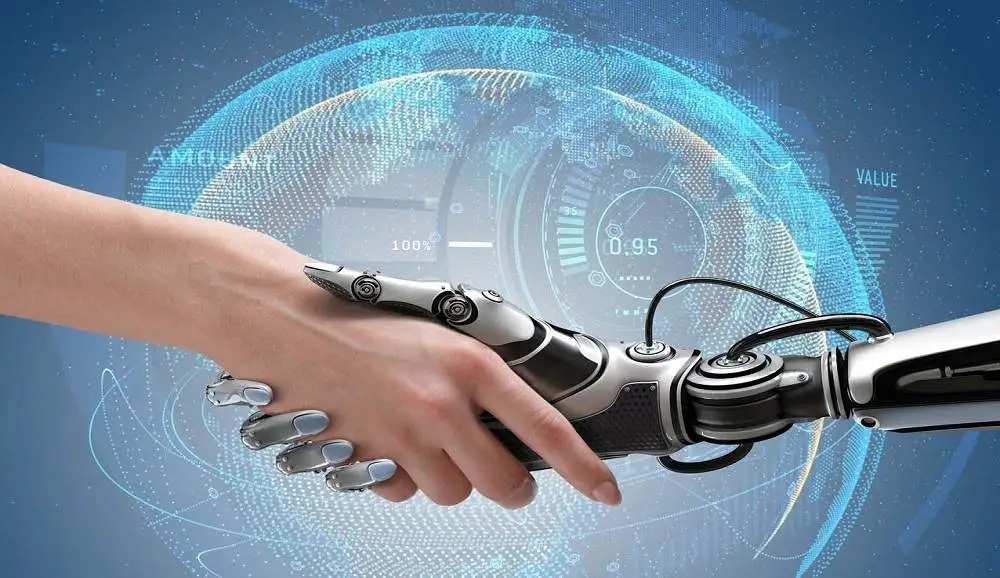
Next up is the internet of things. In fact, IoT connects everyday objects—from wearables to industrial sensors—to networks. Consequently, these devices collect and exchange data, supporting smarter systems. Therefore, the IoT contributes significantly to how future technology will fuel the rise of smart cities, autonomous vehicles, and real-time analytics. Additionally, hyper-connectivity promotes seamless integration across devices, enabling an ecosystem of optimized experiences.
Blockchain and Decentralized Systems
Moreover, blockchain is another core piece of the future technology puzzle. With its decentralized ledger, blockchain enhances transparency, security, and trust. Subsequently, industries such as finance, supply chain management, and healthcare are exploring its potential. In effect, blockchain supports new business models based on peer-to-peer transactions, tokenization, and democratized data. Thus, organizations embracing this emerging technology may gain a significant competitive advantage.
Augmented Reality and Immersive Experiences

Furthermore, augmented reality (and its sibling, virtual reality) is set to redefine how we interact with digital content. By overlaying digital layers onto physical worlds, AR creates immersive experiences for education, training, retail, and entertainment. As part of future technology, augmented reality offers new ways to engage users, visualize data, and collaborate across distances. In fact, as AR hardware becomes more accessible, these experiences will scale rapidly.
Quantum Computing and Frontier Innovation
Finally, quantum computing stands at the frontier of future technology. Unlike classical computers, quantum machines use quantum bits that can exist in multiple states simultaneously, enabling far faster computations for complex problems. Moreover, this technology holds promise for cryptography, optimization, drug discovery, and climate modeling. While still in early stages, quantum computing offers a glimpse into deep innovation and the next wave of technological advancement.
How Future Technology Will Impact Industries
Healthcare and Life Sciences
ata-sta=””>r=””>In healthcare, future technology means personalized treatments powered by AI diagnostics, IoT-enabled wearable monitoring, and blockchain-backed medical records. As a result, patient outcomes improve, costs decrease, and access broadens. Additionally, augmented reality can help with surgical training and remote care, while quantum computing may accelerate drug development. Consequently, the impact in life sciences will ripple across every patient, researcher, and provider.
Manufacturing and Supply Chain
In manufacturing, the combination of smart IoT sensors, AI-driven analytics, and blockchain transparency creates a transformed supply chain. For example, predictive maintenance becomes the norm, reducing downtime and costs. Moreover, augmented reality assists workers in complex assembly tasks. Meanwhile, quantum computing optimizes logistics and production planning at scales never seen before. Therefore, industry players who adopt these future technology solutions can outpace their competitors, <a href=”https://www.wired.com/”>Quasi-Lunar Moon
H3: Finance and Banking
Financial services are also on the brink of change. Blockchain enables secure, transparent transactions and can redefine how we think about currency and assets. AI enhances fraud detection, credit scoring, and customer service. IoT enables real-time risk assessment and smart payments. As such, future technology will make banking faster, more inclusive, and increasingly automated. Importantly, firms must balance innovation with regulation and trust.
rt=”6301″ data-end=”7069″>While it’s tempting to dive headfirst into the latest tools, stakeholders must approach future technology with caution and purpose. First, organisations should conduct thorough risk assessments—evaluating data privacy, ethical implications, and regulatory compliance. For example, AI bias must be mitigated, and blockchain governance must be clear. Moreover, prioritizing human-centric design ensures that technology serves people, not the other way around. Second, stakeholders should invest in workforce training and change management. Without educated users, even the most advanced system can fail. Third, sustainability must remain central: many of the systems demand high energy or resource usage, so it’s vital to consider environmental impact.FAQs About Future Technology
Q1: What is the difference between emerging tech and future technology?
Emerging tech typically refers to innovations that are in early adoption phases, whereas future technology encompasses both current breakthroughs and their projected evolution—essentially what’s coming next and how it will reshape our world
Q2: How soon will future technology become mainstream?
ta-sta=””>rt=”7496″ data-end=”7747″>While some components—like AI and IoT—are already mainstream, others such as quantum computing and fully immersive AR will likely become widespread over the next decade. Adoption timelines depend on infrastructure, regulation, and consumer acceptance.
Can small businesses benefit from future technology?
Absolutely. Even small businesses can leverage AI-driven analytics, IoT sensors, and blockchain solutions tailored for their scale. The key is starting with specific use-cases, then scaling thoughtfully. Undertaking such strategic moves ensures that future technology aligns with business goals and budgets.</p>
Q4: What ethical concerns does future technology raise?
Major concerns include data privacy, algorithmic bias, job displacement, and digital equity. Moreover, as machines make more decisions, transparency and accountability become essential. Addressing these issues proactively ensures that future technology develops with trust and benefit for all.
Conclus
In sum, the era of future technology is not some distant fantasy—it’s already unfolding around us and will accelerate relentlessly. By embracing technological innovation, staying aware of tech trends, and leveraging emerging tech like AI, IoT, blockchain, AR, and quantum computing, businesses and individuals can position themselves for tomorrow’s success. At the same time, it’s crucial to implement these solutions responsibly, with ethical awareness, human-centred design, and sustainability in mind. Ultimately, the organizations and people who prepare early and thoughtfully will be the ones who thrive in the new landscape. So, start planning now, adapt continuously, and you’ll be part of shaping a better, smarter future.
Read More: